
August is when vehicles go back to work. The relaxed summer driving pattern — longer road trips, flexible schedules, vacation miles — gives way to early morning school runs, after-school activities, and the kind of stop-and-go, short-trip driving that puts steady demand on every system in a vehicle. For families with multiple drivers, or a college student heading out with a car, this is also a practical moment to make sure those vehicles are in good shape before the schedule fills up.
Back to school car maintenance is easy to push off. September is busy, and vehicles tend to be invisible until something goes wrong. But small items caught in August — a tire with borderline tread, a battery losing capacity, brake pads that have been on the list for a while — are easier to deal with now than when they become the reason a morning does not go as planned.
This post covers the systems worth checking before fall routines kick in, what to look for on each one, and why addressing small items now is generally more practical than dealing with them in October.
WHY BACK-TO-SCHOOL DRIVING IS HARDER ON YOUR VEHICLE THAN YOU MIGHT EXPECT
Vehicle maintenance schedules are designed around how a vehicle is actually driven, not just how many miles it covers. Short trips — a school run under five miles, quick stop-and-go commutes, repeated cold starts — are harder on certain systems than highway miles. The engine does not fully reach operating temperature on very short trips, which means condensation lingers in the oil longer and fuel economy drops. The battery works harder during brief drives when it does not have time to fully recharge between starts.
The brake system also sees more activity in stop-and-go school-year driving than it does during summer highway trips. Tires wear differently under consistent suburban and city patterns. Fluid condition can shift with the heat cycles of August driving.
None of this means school-year driving damages vehicles. It means fall is a natural checkpoint — and addressing it before the year starts is easier than finding time for it in November.

Tread Depth
The legal minimum in Pennsylvania is 2/32 of an inch, but wet-road traction drops measurably before tires reach that threshold. A tire at 4/32 is significantly less effective in rain than one at 6/32. Pennsylvania gets real fall rainfall, and October storms can arrive before winter tire season becomes relevant. Check tread wear across the full width of each tire — uneven wear from one edge to the other can indicate an alignment or suspension issue worth addressing separately.
Tire Pressure
Pressure drops roughly one PSI for every 10-degree drop in ambient temperature. Tires that are correctly inflated in August may be noticeably low by October without any visible change. Under-inflated tires affect handling, accelerate tread wear, and reduce fuel efficiency. The correct pressure for your vehicle is on the sticker inside the driver’s door jamb — not on the tire sidewall.
Rotation
If a tire rotation is due, pre-fall is a practical time to schedule it. Even tread wear across all four tires extends their usable life and keeps handling consistent. Most vehicles benefit from rotation every 6,000 to 8,000 miles.
If tires are borderline, replacing them before the school year is worth the planning. A set of tires is a predictable, schedulable expense. A roadside situation on a cold October morning with a student driver is not. Learn more about our tire installation, rotation, and repair [https://automlv.com/services-2/tires/] services.

Pads
Brake pads include a wear indicator: a small metal tab that contacts the rotor and produces a high-pitched squeal when the pads are getting thin. Once that sound becomes consistent, the pads need to be replaced without delay. Pads caught at 3–4mm have meaningful life remaining; pads worn to the metal require immediate attention and typically mean the rotors will need to be addressed as well. A pad replacement done at the right time is a routine job. Waiting until the pads are gone adds rotor damage to the repair, which adds cost.
Rotors
Warped or scored rotors produce a pulsing sensation through the brake pedal under moderate braking — most noticeable at highway speeds when slowing for an exit. Heavily grooved rotors, caused by pads worn through their lining, require either machining or replacement depending on remaining thickness.
Fluid
Brake fluid absorbs moisture over time, which lowers its boiling point. That matters most during sustained braking — exactly when the system needs to perform reliably. The general guideline is to check brake fluid condition every two years or approximately 24,000 to 30,000 miles, though always defer to your vehicle manufacturer’s recommended schedule. A brake fluid test is a quick, inexpensive step that takes far less time than addressing the problems degraded fluid can contribute to.
Any of these items should be inspected if it has been more than a year since the last brake service, or if the vehicle has been showing symptoms.
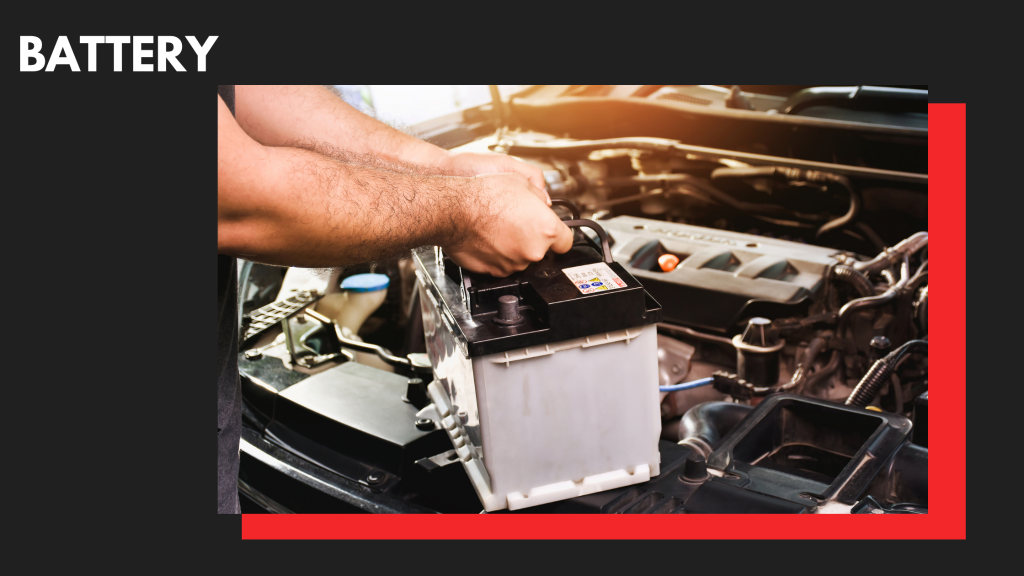
Most car batteries last three to five years. After three years, performance begins to decline — often unevenly. A battery that starts a vehicle reliably in August heat may not perform the same way when temperatures drop in October or November. Cold weather increases the power required to turn over an engine at the same time it reduces available battery output.
A battery test measures cold-cranking amps (CCA) — the battery’s ability to deliver power in low-temperature conditions. A battery showing reduced CCA is likely to fail, and batteries tend to fail at inconvenient moments: cold mornings, early school departures, parking lots far from home.
If a vehicle’s battery is three years old or more, a test is worth scheduling before fall. If it is approaching five years, replacement is often the right call regardless of test results.
Corroded terminals are worth checking as well. White or greenish buildup around the battery connection points can reduce battery performance without indicating a battery problem itself. Terminal cleaning is a straightforward task when caught during an inspection.
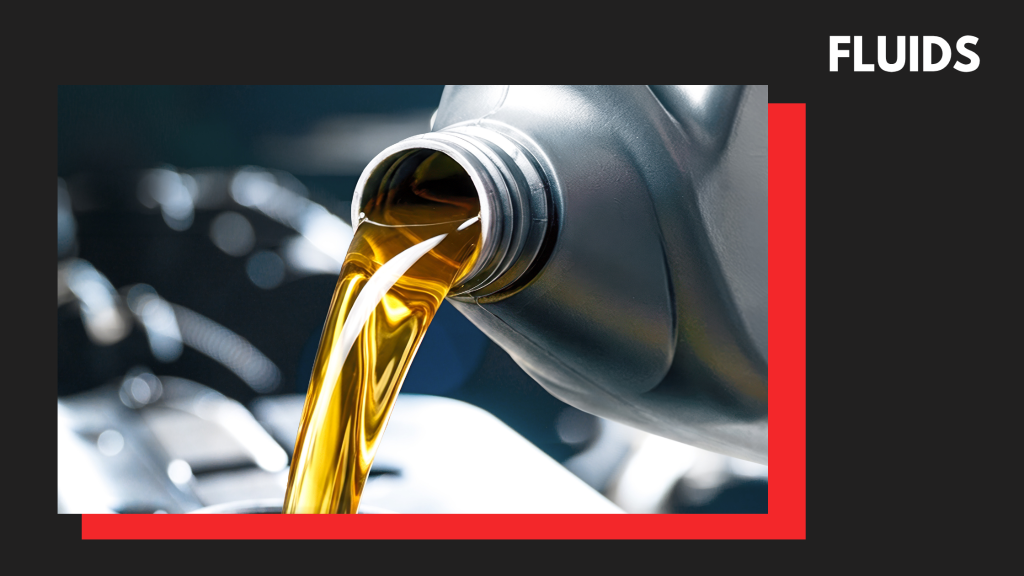
Engine oil condition affects every component the engine has. If an oil change is due — or close to due — getting it done before school-year driving resumes is a practical choice. Running on degraded oil puts unnecessary wear on systems that will be used more heavily starting in September.
A few other fluids worth checking at this interval:
Coolant
The cooling system manages engine temperature year-round. Coolant breaks down over time, becoming acidic and less effective at preventing internal corrosion. Service intervals vary by vehicle and coolant type — check your owner’s manual for the manufacturer’s recommendation.
Transmission Fluid
Dark or burnt-smelling transmission fluid indicates the fluid is past its service life. If your vehicle has been showing rough shifts or any hesitation engaging Drive from Park, a fluid check and diagnostic is worth scheduling. Transmission fluid that is serviced on schedule is far less expensive than transmission work caused by neglect.
Windshield Washer Fluid
An easy item to overlook: summer-formulated washer fluid is not rated for freezing temperatures. Switching to a winter-rated formula before November is a simple swap that prevents a frozen line at the worst moment.
Power steering Fluid
Check level and condition. Dark or contaminated power steering fluid can cause pump wear and harder steering over time.
A NOTE ON SENDING COLLEGE STUDENTS OFF WITH A CAR
If a student is heading to college with a vehicle, a pre-trip inspection before they leave is worth scheduling. First-year college students managing their own vehicle maintenance for the first time are less likely to notice developing problems and more likely to delay acting on them when they do.
Getting an inspection done at home — at a shop that knows the vehicle — gives you a clear picture of where things stand before they go. If anything needs attention, it is easier to handle it now than to coordinate repairs at an unfamiliar shop in another city, usually at peak stress in the middle of a semester.
Tire condition, brake pad wear, and battery health are the three systems most likely to cause a roadside problem or safety concern for a student driving independently. All three can be checked and addressed in a single appointment.
SCHEDULE BEFORE THE CALENDAR FILLS UP
August is a practical window for a maintenance visit because September has not started yet. A vehicle that is current on its service items going into the school year is less likely to need an unplanned repair in October or November, when school and work schedules leave less room for it.
At Auto Motors of Lehigh Valley, routine vehicle maintenance and automotive diagnostics and repair are available for Lehigh Valley families and individual drivers. Our technicians give you a clear account of what the vehicle needs and what can wait — without recommending work that is not due. We have been serving drivers in Whitehall, Fullerton, Catasauqua, Allentown, and the broader Lehigh Valley since 1992.
Contact our team to schedule a pre-fall inspection, or call us at 610-266-9466. We’ll confirm your appointment within one business day.